Can Dogs Eat Watermelon?
Yes — watermelon is safe and a hydrating warm-weather treat, as long as you remove the seeds and rind first.
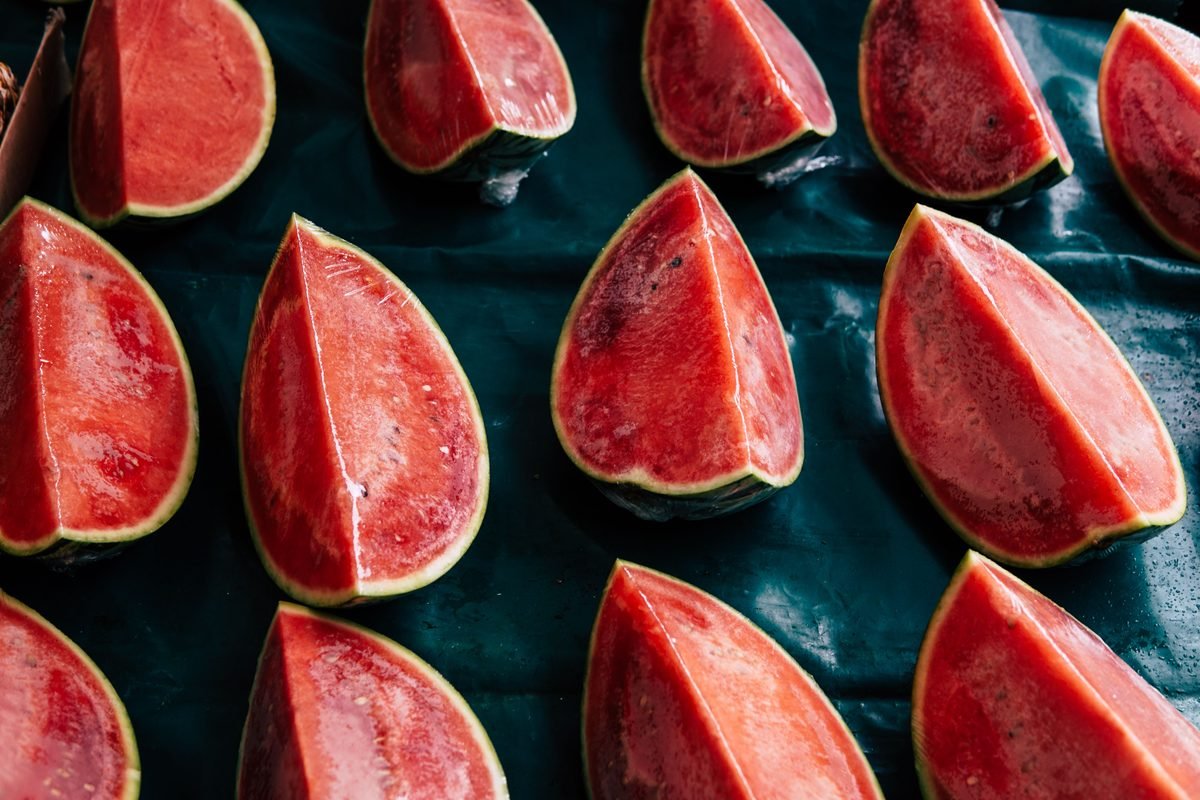
Yes, in moderation, and only the flesh. Seedless watermelon flesh is one of the better fruit treats for dogs. The parts to keep away from them are the rind and the seeds, and both matter more than the flesh does.
Watermelon is mostly water, but it still counts toward the day's calories. Find the daily target and the sensible portion follows.
Dog Calorie Calculator →Why watermelon works well as a treat
Watermelon is roughly 92 percent water, which makes it genuinely hydrating and unusually low in calories for its volume. A dog can have a satisfying-sized piece without much caloric cost, which is not true of most treats.
It also contains vitamin A, vitamin B6, vitamin C, and potassium, along with lycopene, the pigment that gives it the red color. These are real nutritional positives, though a dog on a complete commercial diet is already getting what it needs. Treat the nutrition as a bonus rather than a reason to feed it.
The seeds
Watermelon seeds are not toxic. The problem is mechanical. A few swallowed seeds will almost certainly pass without incident, particularly in a large dog. A quantity of seeds in a small dog can cause an intestinal blockage, which is a surgical emergency rather than a stomachache.
The simple answer is to buy seedless watermelon, or to remove the seeds before serving. Note that seedless watermelon still contains soft white immature seeds, and those are fine.
The rind
The rind is the bigger hazard, and it causes two separate problems. It is tough and fibrous, which commonly causes vomiting and digestive upset. It is also difficult to chew down properly, so dogs tend to swallow chunks whole, and those chunks are a genuine obstruction risk.
Do not let a dog gnaw the rind as a chew toy, which is a common and understandable mistake at a summer barbecue. Cut the flesh off the rind and discard the rind where the dog cannot reach it.
How to serve it
- Remove all rind and any black seeds.
- Cut into bite-sized cubes appropriate to your dog's size.
- Serve fresh, or freeze the cubes for a hot day. Frozen chunks should be small enough not to be a choking risk, and go easy with dogs that have dental problems.
- Introduce a small amount first and see how the dog handles it before making it a regular treat.
How much is reasonable
A small dog can have a couple of small cubes. A large dog can have a cup or so. More than that, and the water and natural sugar content tends to produce loose stools, which is the most common complaint owners report.
The 10 percent rule
Whatever the fruit, treats of all kinds should make up no more than about 10 percent of a dog's daily calories. The other 90 percent should come from a complete, balanced food. This matters more than most owners realize: fruit feels healthy, so it gets handed out freely, and the calories add up quietly alongside a full bowl of kibble.
What to avoid
Skip anything processed. Watermelon-flavored candy, gum, or drinks contain no real watermelon and may contain xylitol, which is severely toxic to dogs. Pre-cut watermelon in syrup, watermelon juice with added sugar, and anything labeled sugar-free all fall into the same category of avoid entirely.
Dogs that should not have it
Diabetic dogs should not have watermelon without veterinary guidance, because of the natural sugar. Dogs on prescription or restricted diets should stick to those diets. Dogs with a history of pancreatitis or a sensitive stomach should be introduced to any new food carefully and in very small amounts.
When to call your vet
Call if your dog has eaten rind or a significant quantity of seeds and is vomiting repeatedly, straining without producing stool, refusing food, showing a tender or bloated abdomen, or seeming lethargic. Those are potential signs of an obstruction, and they need same-day attention rather than waiting overnight.
Sources
Common questions
Can dogs eat watermelon rind?
No. The rind is tough and fibrous, commonly causes vomiting and digestive upset, and is a real intestinal obstruction risk because dogs tend to swallow chunks without chewing them properly. Cut the flesh away and discard the rind out of reach.
Are watermelon seeds poisonous to dogs?
They are not toxic, but they are a mechanical hazard. A few seeds will usually pass without trouble, especially in a larger dog, while a quantity can cause a blockage in a small dog. Seedless watermelon avoids the issue entirely.
Can puppies eat watermelon?
Small amounts of seedless, rind-free flesh are generally fine for puppies over a few months old, but their digestive systems are more easily upset. Start with a single small cube and keep treats within 10 percent of daily calories.