Can Dogs Eat Peanut Butter?
Yes, in moderation — but always check the label first. Some peanut butters contain xylitol, which is highly toxic to dogs.
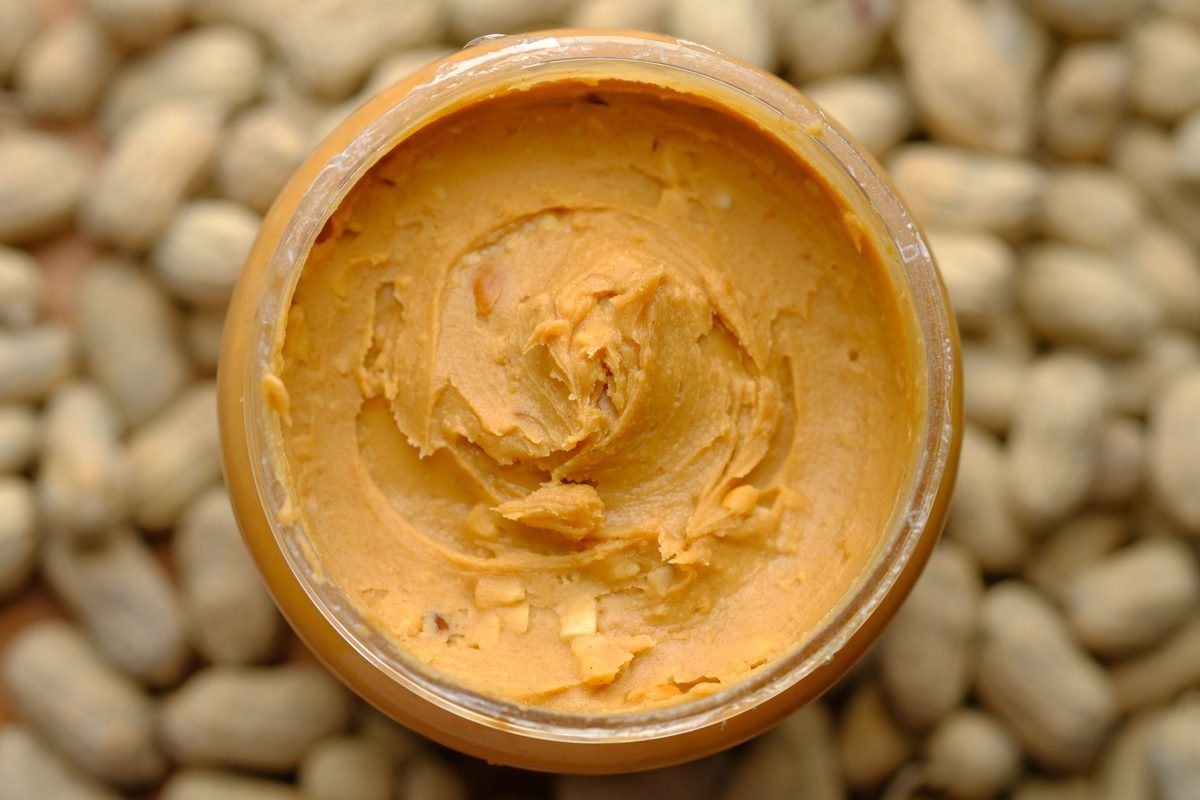
Usually yes, but you must check the label every single time. Plain peanut butter is safe and useful. Peanut butter containing xylitol can kill a dog. Because peanut butter is one of the few human foods people deliberately feed dogs, in quantity, it is the single most dangerous place for that ingredient to hide.
Check for xylitol first
Xylitol is a sugar alcohol that is harmless to humans and severely toxic to dogs. In dogs it triggers a rapid insulin release, causing a dangerous drop in blood sugar within 10 to 60 minutes, and at higher doses it causes acute liver failure.
Most peanut butter brands do not contain it. Some do, typically ones marketed as reduced-sugar, no-sugar-added, or diet. Manufacturers also change formulations without announcement, so a brand that was safe last year is not automatically safe now.
On the label, xylitol may also appear as birch sugar, wood sugar, or E967. Read the ingredient list, not the front of the jar. Do this every time you buy.
Call your vet, an emergency clinic, or a poison control line straight away. Do not wait for symptoms, and do not make your dog vomit unless a professional tells you to.
ASPCA Animal Poison Control: (888) 426-4435 · Pet Poison Helpline: (855) 764-7661 · both charge a consultation fee and are available 24/7.
What good peanut butter looks like
The ideal is short: peanuts, and possibly salt. Nothing else is necessary.
- Unsalted or low salt. Dogs do not need added sodium.
- No added sugar.
- No xylitol or other artificial sweeteners.
- No added oils. Some brands add palm or hydrogenated oil, which adds fat without benefit.
- No chocolate, which rules out chocolate-hazelnut spreads entirely.
Natural peanut butter that separates and needs stirring is usually the simplest ingredient list available.
The calorie problem
Even safe peanut butter is calorie-dense. A tablespoon is roughly 90 to 100 calories, mostly fat. For a 20-pound dog that can be well over 10 percent of daily calories in one spoonful, which is why peanut butter is a common hidden contributor to weight gain.
Rough guidance: about half a teaspoon for a small dog, up to a tablespoon for a large dog, as an occasional treat rather than a daily habit. Keep all treats within 10 percent of daily calories.
Pancreatitis risk
High-fat foods can trigger pancreatitis, which is painful and potentially serious. Dogs with a history of pancreatitis, dogs on low-fat prescription diets, and breeds prone to it such as Miniature Schnauzers should generally avoid peanut butter altogether. Ask your vet rather than guessing.
Good ways to use it
Used sparingly, peanut butter is genuinely useful:
- Stuffed in a rubber toy and frozen for long-lasting enrichment.
- To disguise medication, where the strong smell and sticky texture work well.
- Smeared on a lick mat during nail trims, grooming, or bath time to build a positive association.
- As a high-value training reward for difficult behaviors, offered from a spoon in tiny amounts.
Other cautions
Whole peanuts are a choking hazard and are often heavily salted. Avoid flavored or honey-roasted varieties. Do not give peanut butter to a dog with a known nut allergy, which is uncommon but does occur. And be aware that some nut butters are worse: macadamia nuts are toxic to dogs, so macadamia butter is off the table entirely.
When to call your vet
Call immediately, treating it as an emergency, if your dog has eaten peanut butter that contains or might contain xylitol. Do not wait for symptoms. Bring the jar with you, since the amount per serving determines treatment.
Call sooner rather than later for repeated vomiting, a hunched posture or obvious abdominal pain, lethargy, or refusal to eat after a large fatty meal, all of which can indicate pancreatitis.
Sources
Common questions
Which peanut butter brands contain xylitol?
Brand lists go out of date quickly because manufacturers reformulate without notice, so relying on one is risky. Read the ingredient list on the jar in front of you every time you buy, and look for xylitol, birch sugar, wood sugar, or E967.
How much peanut butter can I give my dog?
Roughly half a teaspoon for a small dog up to about a tablespoon for a large dog, as an occasional treat. A tablespoon is around 90 to 100 calories, which is a substantial share of a small dog's daily intake.
Can puppies have peanut butter?
A small amount of xylitol-free, unsalted peanut butter is generally fine for puppies, and it is useful for making grooming and handling positive. Keep portions tiny, since puppies need far fewer calories than owners tend to assume.