Can Dogs Eat Blueberries?
Yes — blueberries are safe for most dogs and make a good low-calorie treat, in moderation.
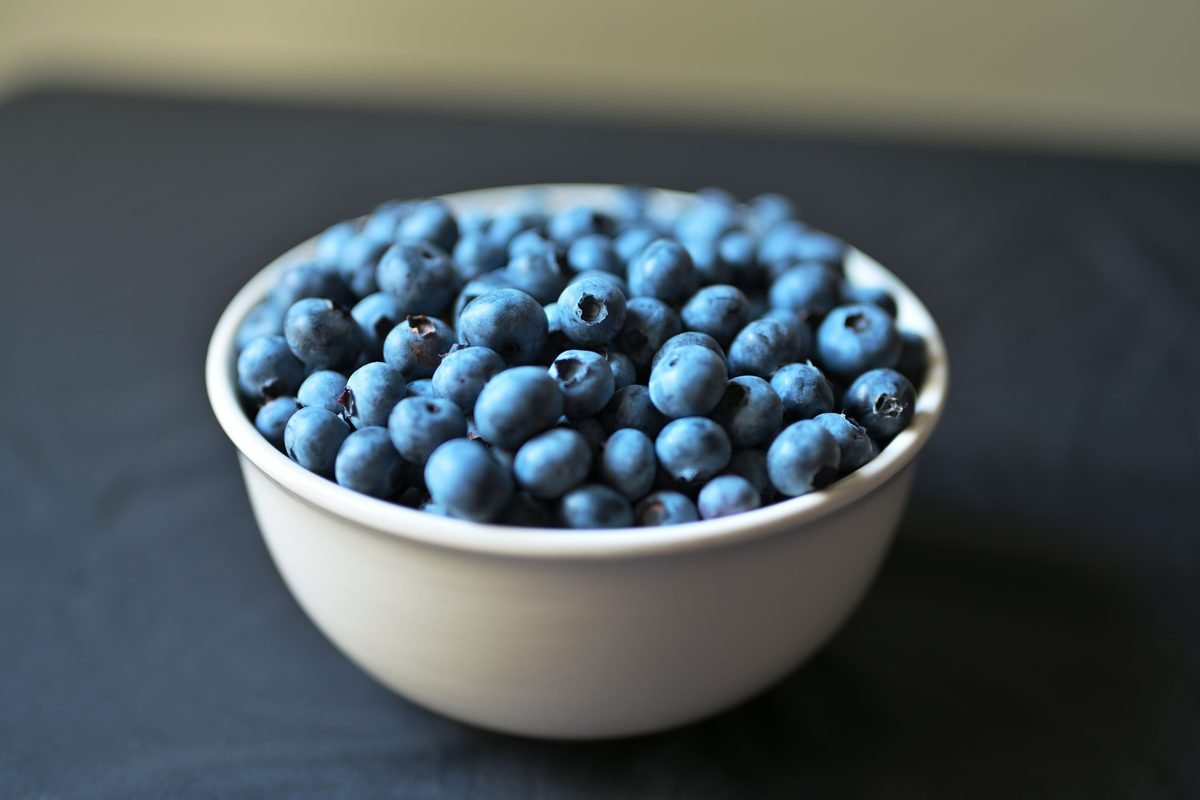
Yes. Blueberries are one of the best fruit treats you can give a dog. They are low in calories, small enough to use as training rewards without portion-control gymnastics, and require no preparation. There is no toxic component and no pit, skin, or rind to remove.
Treats should stay under about 10% of your dog's daily calories. Work out that daily total first, and the portion answers itself.
Dog Calorie Calculator →Why blueberries are a good choice
A single blueberry contains roughly one calorie, which makes them unusually well suited to training, where a dog might earn dozens of rewards in a session. Compare that to a commercial training treat and the caloric difference over a week is substantial.
They are also high in antioxidants, particularly anthocyanins, which produce the blue color. Antioxidants have been studied in dogs in the context of aging and cognitive function, and while you should not expect a bowl of blueberries to change your dog's health outcomes, they are a genuinely better choice than most alternatives.
Blueberries also contain fiber, vitamin C, vitamin K, and manganese.
How many is too many
Portion by size:
| Dog size | Reasonable daily amount |
|---|---|
| Toy (under 10 lb) | 2–3 berries |
| Small (10–25 lb) | 5–8 berries |
| Medium (25–50 lb) | 8–12 berries |
| Large (50–90 lb) | 12–20 berries |
| Giant (90 lb+) | Up to a small handful |
These are guidelines rather than limits. The practical constraint is that too much fruit fiber causes loose stools, and every dog's threshold differs.
The 10 percent rule
Whatever the fruit, treats of all kinds should make up no more than about 10 percent of a dog's daily calories. The other 90 percent should come from a complete, balanced food. This matters more than most owners realize: fruit feels healthy, so it gets handed out freely, and the calories add up quietly alongside a full bowl of kibble.
How to serve them
- Fresh, washed, whole. No preparation needed for most dogs.
- Frozen. A good hot-weather treat, and the crunch appeals to many dogs. Frozen berries are harder, so use caution with dogs that have dental disease.
- Mashed into food or a slow feeder if your dog bolts things whole.
- In a puzzle toy or frozen into plain water in an ice cube tray.
For very small dogs and puppies, cutting berries in half reduces any choking risk, though whole blueberries are small enough that this is rarely a concern.
What to avoid
The fruit itself is fine; the problems come from processed versions. Avoid blueberry muffins and baked goods, which carry sugar, fat, and sometimes xylitol. Avoid blueberry yogurt with added sugar or sweeteners. Avoid dried blueberries with added sugar, and check that dried fruit mixes contain no raisins, since grapes and raisins can cause acute kidney failure in dogs and often share a bag with other dried fruit. Avoid blueberry pie filling entirely.
Always check labels for xylitol, which is severely toxic to dogs and appears in an expanding list of products.
Dogs that need more care
Diabetic dogs should only have fruit with veterinary guidance. Dogs on a prescription diet for kidney disease, allergies, or gastrointestinal conditions should not have treats that undermine that diet. Overweight dogs benefit from blueberries as a substitute for higher-calorie treats rather than as an addition.
When to call your vet
Blueberries rarely cause problems. Contact your vet if your dog develops persistent vomiting or diarrhea after eating a large quantity, or if it shows signs of an allergic reaction such as facial swelling, hives, or itching. If your dog got into a mixed dried fruit product that may have contained raisins, call immediately rather than waiting, since that is a genuine emergency.
Sources
Common questions
How many blueberries can a dog eat per day?
It depends on size, roughly 2 to 3 for a toy breed up to a small handful for a giant breed. The binding constraint is that treats of all kinds should stay under 10 percent of daily calories, and that too much fruit fiber causes loose stools.
Are frozen blueberries safe for dogs?
Yes, and they make a good hot-weather treat. They are harder than fresh, so use some caution with puppies, very small dogs, and any dog with dental disease.
Can dogs eat blueberry muffins?
No. Baked goods add sugar and fat with no benefit, and some contain xylitol, which is severely toxic to dogs. Stick to plain fresh or frozen berries.