Can Dogs Eat Strawberries?
Yes — strawberries are safe for most dogs in moderation and offer real nutritional benefits.
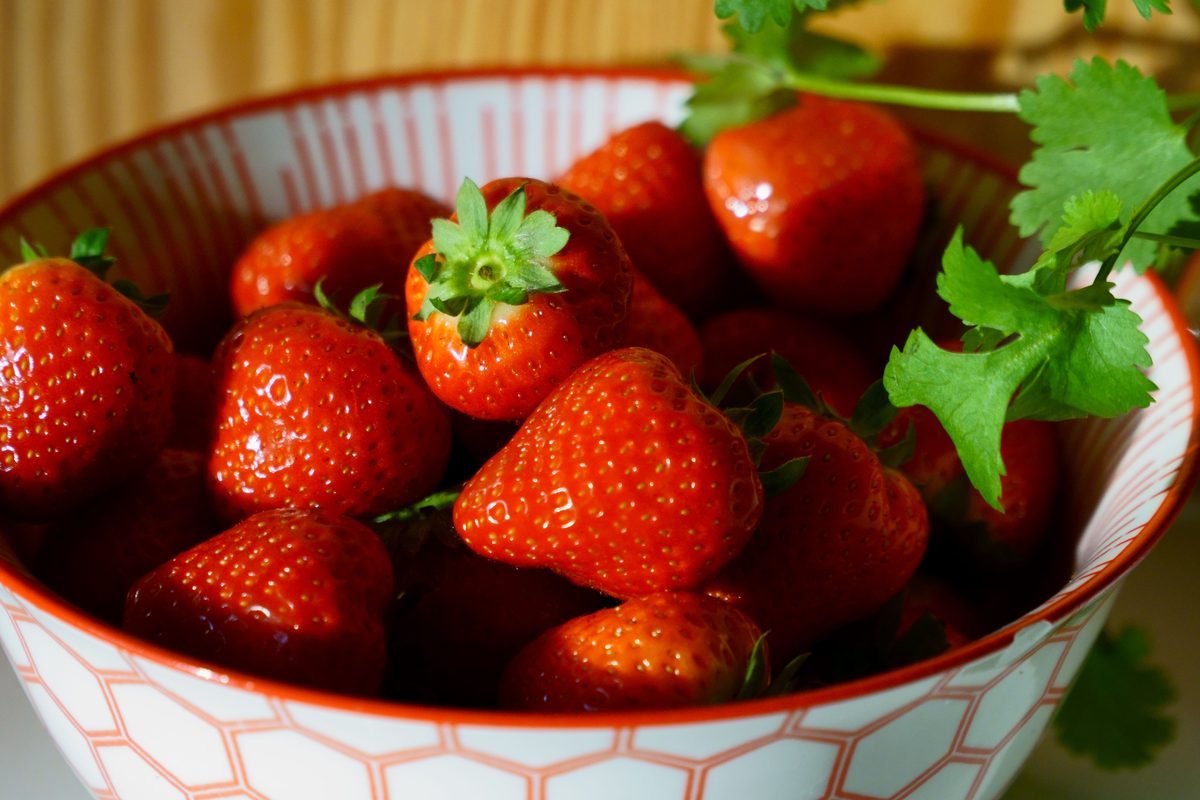
Yes, fresh strawberries in moderation are safe for dogs. There is nothing toxic in them. The two things to pay attention to are sugar content, which is higher than in most dog-friendly fruits, and the processed strawberry products that are genuinely unsafe.
Fruit still counts as calories. Treats should stay under about 10% of the daily total, so it helps to know what that total actually is.
Dog Calorie Calculator →Nutritional picture
Strawberries contain vitamin C, fiber, potassium, manganese, and antioxidants. They also have a reasonably high water content, which makes them refreshing in warm weather.
One point worth setting straight: strawberries contain malic acid, and you will find claims online that this whitens a dog's teeth. Malic acid is genuinely present, but the idea that feeding strawberries meaningfully cleans teeth is overstated and is not a substitute for tooth brushing or veterinary dental care. Do not feed strawberries for dental reasons.
The sugar issue
Strawberries are higher in natural sugar than blueberries, which is the main reason to be more careful with portion size. Too much causes digestive upset, and regular over-feeding contributes to weight gain. For diabetic dogs, or dogs with a history of pancreatitis, talk to your vet before adding any fruit to the diet.
How much to give
| Dog size | Reasonable amount |
|---|---|
| Toy (under 10 lb) | Quarter of one strawberry |
| Small (10–25 lb) | Half a strawberry |
| Medium (25–50 lb) | 1 strawberry |
| Large (50–90 lb) | 2–3 strawberries |
| Giant (90 lb+) | 3–4 strawberries |
These are occasional-treat amounts, not daily allowances.
The 10 percent rule
Whatever the fruit, treats of all kinds should make up no more than about 10 percent of a dog's daily calories. The other 90 percent should come from a complete, balanced food. This matters more than most owners realize: fruit feels healthy, so it gets handed out freely, and the calories add up quietly alongside a full bowl of kibble.
How to serve them
- Wash thoroughly. Strawberries are frequently near the top of lists of produce with pesticide residue, so washing matters more here than with thicker-skinned fruit.
- Remove the green tops. They are not toxic but are not digestible and add nothing.
- Cut to size. A whole strawberry is a choking hazard for a small dog. Quarter or dice them.
- Fresh or plain frozen only.
- Start small. One piece, then wait a day and see how the dog handles it.
What to avoid completely
The processed versions are where the real risk sits:
- Canned strawberries or any fruit in syrup — very high sugar.
- Strawberry jam and preserves — high sugar, and some are sweetened with xylitol.
- Sugar-free anything — assume it contains xylitol until the label proves otherwise. Xylitol causes a rapid, dangerous drop in blood sugar in dogs and can cause liver failure.
- Chocolate-covered strawberries — chocolate is toxic to dogs.
- Strawberry ice cream, milkshakes, and flavored yogurt — sugar, dairy, and often artificial sweeteners.
- Strawberry-flavored candy or gum — no real fruit, and a common xylitol source.
Allergies
Food allergies in dogs are most often to proteins rather than fruit, but individual sensitivity to strawberries is possible. Introduce them on their own, not alongside other new foods, so that if a reaction occurs you know what caused it. Watch for itching, ear inflammation, facial swelling, hives, or digestive upset.
When to call your vet
Call if your dog shows facial swelling, hives, difficulty breathing, or persistent vomiting after eating strawberries, or if it has eaten a chocolate-covered or sugar-free strawberry product. In the sugar-free case, treat it as an emergency and go straight to a vet rather than waiting for symptoms.
Sources
Common questions
Do strawberries really whiten a dog's teeth?
No, not meaningfully. Strawberries contain malic acid, which is where the claim comes from, but there is no good evidence that feeding them cleans teeth in any way that substitutes for brushing or professional dental care.
Can dogs eat the green tops of strawberries?
They are not toxic, but they are not digestible and offer nothing nutritionally, and in quantity they can contribute to digestive upset. Remove them before serving.
Are frozen strawberries okay for dogs?
Plain frozen strawberries with no added sugar or syrup are fine, and make a good hot-weather treat. Cut them to a size your dog can manage, and be cautious with dogs that have dental problems.