Can Dogs Eat Grapes?
No. Grapes and raisins are toxic to dogs and can cause sudden kidney failure — even a small amount can be dangerous.
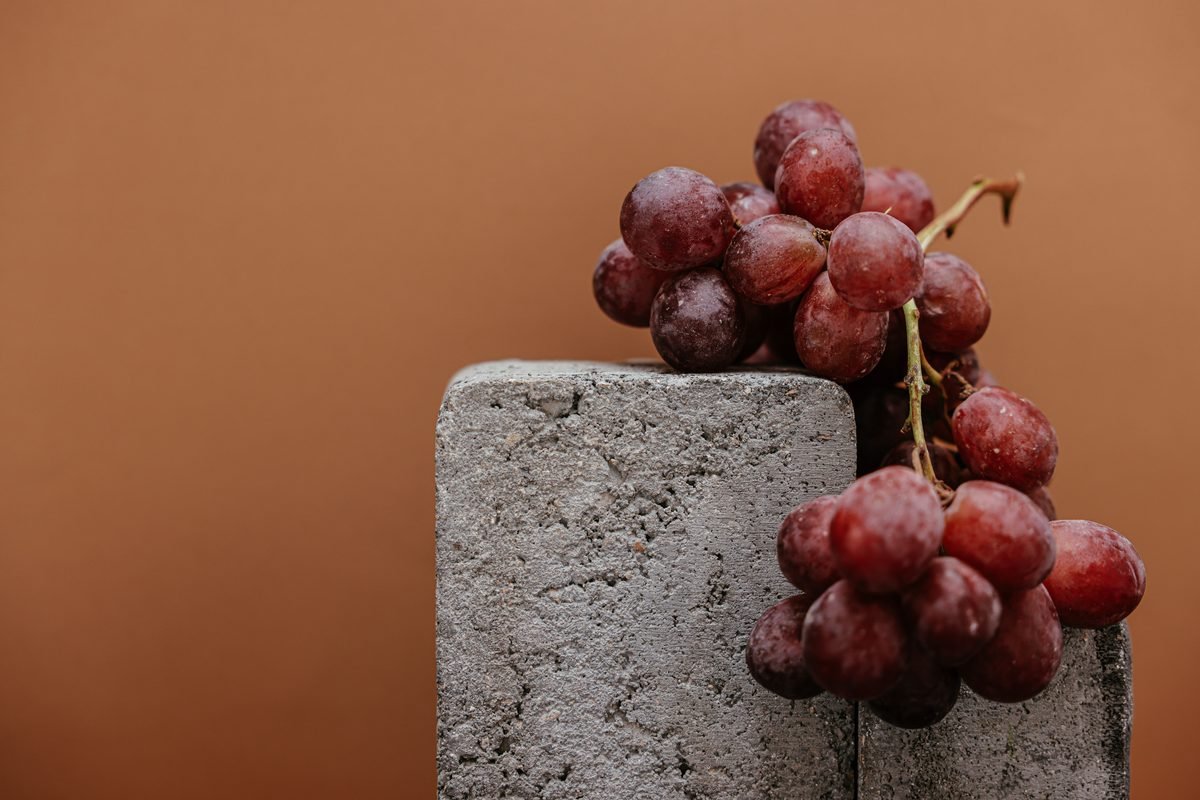
No. Grapes and raisins can cause sudden kidney failure in dogs, and they should never be fed. What makes them unusually alarming is the unpredictability: some dogs eat grapes with no apparent effect, while others suffer acute kidney injury from a small amount. There is no reliable safe quantity.
Call your vet, an emergency clinic, or a poison control line straight away. Do not wait for symptoms, and do not make your dog vomit unless a professional tells you to.
ASPCA Animal Poison Control: (888) 426-4435 · Pet Poison Helpline: (855) 764-7661 · both charge a consultation fee and are available 24/7.
What is actually toxic
For many years the toxic component was unknown, which is why older advice was vague. More recent work has pointed to tartaric acid and its salt, potassium bitartrate, as the likely culprit. Grapes contain tartaric acid in amounts that vary considerably with grape variety and ripeness, which would explain why the effect has always looked so inconsistent between cases.
This is now the leading explanation rather than a fully settled matter, and it does not change the practical advice at all: do not feed grapes to dogs, and treat ingestion as urgent.
All forms count
The risk applies across the board:
- Fresh grapes, of any color, seeded or seedless
- Raisins, sultanas, and currants, which are more concentrated by weight
- Grape juice and grape must
- Baked goods containing raisins, such as fruit cake, mince pies, hot cross buns, and raisin bread
- Trail mix and cereal bars containing raisins
- Cream of tartar, which is potassium bitartrate, found in some homemade play dough recipes
Dried forms deserve particular caution because a small handful of raisins represents a lot of grapes.
Symptoms
Vomiting is usually the earliest sign, often within a few hours. Kidney signs develop later, typically over 24 to 72 hours:
- Vomiting and diarrhea, sometimes with pieces of grape or raisin visible
- Lethargy and weakness
- Loss of appetite
- Abdominal pain
- Increased thirst and urination early on
- Then reduced urination or none at all, which is a serious sign
- Bad breath with an ammonia-like smell
Once a dog stops producing urine, the outlook becomes much worse. That is why treatment aims to start well before that point.
What to do right now
Contact a vet or poison control line immediately, even if your dog seems perfectly well and even if the amount was small. Because susceptibility varies so much between individuals, a small ingestion cannot be assumed to be safe.
Do not induce vomiting yourself. Let a professional decide, and bring the packaging if there was any.
How it is treated
If the dog is seen soon after eating, the vet will usually induce vomiting and give activated charcoal. The mainstay after that is aggressive intravenous fluid therapy for 48 hours or more, to support the kidneys and maintain urine production, with blood work to track kidney values.
Dogs treated early generally do well. Dogs that reach the stage of producing little or no urine may require dialysis, which is not widely available, and the prognosis at that point is poor.
Prevention
Keep grapes and raisins off counters and low tables, and be aware that the dried versions turn up in a lot of foods people do not think of as risky. Baked goods over the holidays are a recurring source. Be specific with children and visitors: "no grapes or raisins" is clearer than "don't feed the dog people food," which people interpret loosely.
When to call your vet
Call for any grape or raisin ingestion, in any amount, regardless of symptoms. This is one of the clearest cases in veterinary toxicology where early intervention changes the outcome substantially, and where the individual variation makes waiting a genuinely bad bet.
Sources
Common questions
How many grapes are dangerous for a dog?
There is no established safe amount. Susceptibility varies enormously between individual dogs, and cases of kidney injury have followed small ingestions. Treat any amount as worth an immediate call to your vet.
My dog ate one grape and seems fine. Is that okay?
Contact your vet anyway. Kidney signs typically take 24 to 72 hours to appear, so appearing fine on day one is not reassurance, and treatment works best when it starts early.
Are raisins worse than grapes?
By weight, yes. Raisins are dried grapes, so the toxic components are more concentrated, meaning a small handful represents a much larger quantity of grapes than it appears to.