Can Dogs Eat Avocado?
The persin-toxicity warning about avocado is often overstated for dogs and cats — but there are still real risks worth knowing about.
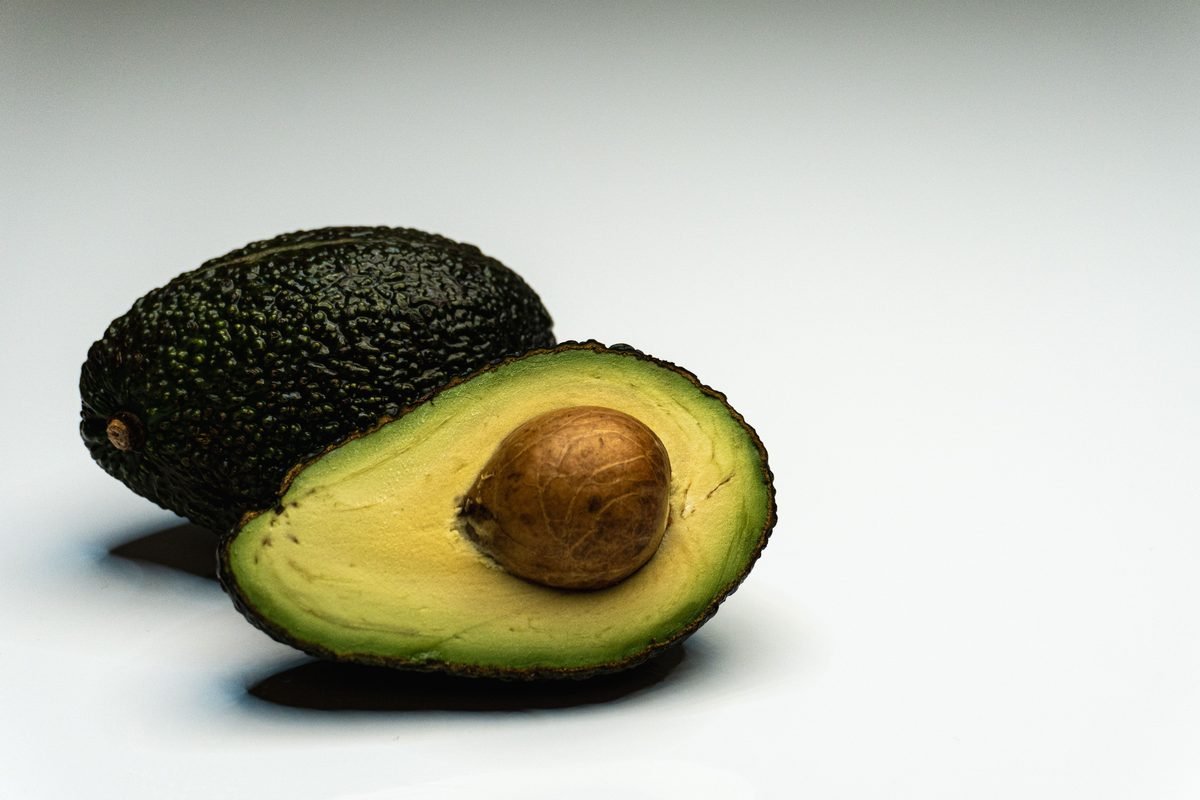
The honest answer is that it depends which part, and the risk is widely misunderstood. Avocado is frequently listed as toxic to dogs, but the picture is more specific than that: dogs are relatively resistant to the compound that makes avocado dangerous to other animals. The real hazards for dogs are the pit, the fat content, and what avocado usually comes mixed with.
Call your vet, an emergency clinic, or a poison control line straight away. Do not wait for symptoms, and do not make your dog vomit unless a professional tells you to.
ASPCA Animal Poison Control: (888) 426-4435 · Pet Poison Helpline: (855) 764-7661 · both charge a consultation fee and are available 24/7.
Persin, and why the warnings exist
Avocado contains persin, a fungicidal compound found in the fruit, leaves, bark, and seed. Persin is genuinely dangerous to several species. Birds, rabbits, horses, goats, sheep, and cattle can suffer serious and sometimes fatal effects.
Dogs and cats are considerably more resistant. Reported cases of persin poisoning in dogs are uncommon, and the amount of persin in the flesh of a ripe avocado is low. This is why blanket "avocado is toxic to dogs" advice is misleading, and it is also why that advice is not entirely wrong: the leaves, bark, and skin contain more persin than the flesh, and a dog with access to an avocado tree is a different situation from a dog that licked some guacamole.
The pit is the real danger
For dogs, the most likely serious outcome is mechanical. An avocado pit is large, smooth, and roughly the shape and size of something a dog can swallow but cannot pass. It is a well-recognized cause of intestinal obstruction, which usually requires surgery.
It is also a choking hazard, and it can lodge in the esophagus. If your dog has swallowed an avocado pit, contact your vet the same day, whether or not the dog seems fine.
Fat content
Avocado is high in fat. That is a selling point for humans and a problem for dogs, because a sudden fatty meal can trigger pancreatitis. Signs include vomiting, abdominal pain, a hunched posture, lethargy, and refusal to eat. Dogs with a history of pancreatitis, dogs on low-fat diets, and predisposed breeds should not have avocado at all.
Routine avocado also contributes meaningfully to weight gain, which is its own long-term health problem.
Guacamole is the bigger risk
This is the practical point most people need. Guacamole typically contains onion and garlic, both of which are genuinely toxic to dogs and damage red blood cells, and it is usually salted heavily. Some versions add tomato and chili.
A dog that gets into a bowl of guacamole is at risk from the onion and garlic, not the avocado. Treat that as the emergency, and mention the specific ingredients when you call.
So can a dog have a piece of avocado?
A small amount of ripe avocado flesh, with no skin and no pit, is unlikely to harm a healthy dog. That is not the same as recommending it. There is no nutritional reason a dog needs avocado, the fat content is a genuine downside, and safer treats exist with none of the complications. If your dog steals a piece off a plate, you probably do not need to panic. That is different from feeding it deliberately.
Keep away entirely
- The pit — obstruction and choking risk.
- The skin — higher persin content and difficult to digest.
- Leaves, bark, and any part of the plant — highest persin content. Avocado trees and dogs are a bad combination.
- Guacamole — onion, garlic, and salt.
- Avocado oil in quantity — pure fat.
When to call your vet
Call the same day if your dog has swallowed a pit, even with no symptoms. Call immediately if it has eaten guacamole containing onion or garlic. Call promptly for repeated vomiting, abdominal pain, lethargy, straining without producing stool, or refusal to eat, all of which can indicate either obstruction or pancreatitis.
Sources
Common questions
Is avocado actually toxic to dogs?
Less than its reputation suggests. Persin, the compound responsible, is seriously toxic to birds, rabbits, and livestock, but dogs are considerably more resistant and poisoning cases are uncommon. The genuine dog-specific risks are the pit causing an obstruction, the high fat content, and onion and garlic in guacamole.
My dog swallowed an avocado pit. What should I do?
Contact your vet the same day, even if the dog seems completely fine. Avocado pits are a recognized cause of intestinal obstruction and can also lodge in the esophagus. Do not wait for symptoms, and do not try to induce vomiting unless a vet tells you to.
Can dogs eat guacamole?
No. Guacamole almost always contains onion and garlic, which damage a dog's red blood cells and can cause anemia, plus a lot of salt. If your dog has eaten guacamole, call your vet and tell them specifically about the onion and garlic.